Avoid hidden rubbish removal charges in Thornton Heath
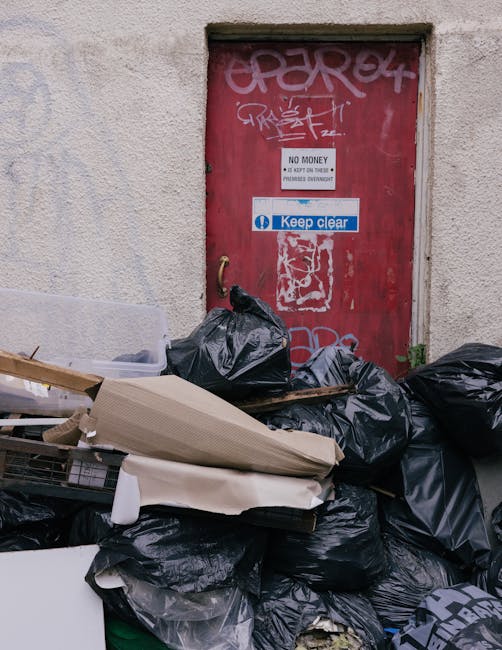
If you've ever booked a rubbish collection and then felt a small jolt when the final bill landed, you're not alone. Hidden fees can turn a simple clear-out into a frustrating little saga, especially when you're juggling a busy day, a tight budget, or a property that just needs to be cleared quickly. This guide explains how to Avoid hidden rubbish removal charges in Thornton Heath, what to ask before you book, and how to spot the difference between a fair quote and a sneaky one. We'll keep it practical, local, and plain English.
Whether you're clearing a flat, a garage, a loft, or leftover builder's waste, the goal is the same: know what you're paying for before the lorry turns up. Sounds simple. In reality, it's the details that matter.
Why Avoid hidden rubbish removal charges in Thornton Heath Matters
Hidden charges are not just annoying; they can completely change the value of a service. A quote that looked competitive on the screen can become much less attractive once loading fees, minimum charges, fuel surcharges, heavy-item fees, or access penalties get added. That's the bit many people miss. The headline price is only useful if it reflects the real job.
In Thornton Heath, that matters for a few very everyday reasons. People clear out flats with tight stairwells, houses with rear access that is less than ideal, and busy driveways where timing has to be careful. Add in bulky items, old appliances, or mixed waste, and pricing can become messy fast if the provider isn't upfront.
There's also the trust factor. A clear quote tells you a company understands the job and respects your time. A vague one often means you'll be dealing with surprises later. And let's face it, nobody wants to stand in the hallway while someone points at the pile and starts recalculating.
For businesses, the stakes can be even higher. Delays, unclear disposal costs, or extra charges at the point of collection can disrupt schedules and create awkward conversations with staff or tenants. If you're arranging recurring collections, transparency matters even more. You may want to look at business waste removal if your needs are regular and predictable.
How Avoid hidden rubbish removal charges in Thornton Heath Works
The best way to avoid hidden rubbish removal charges is to treat the booking process like a mini fact-finding exercise. That doesn't mean being difficult. It means making sure the quote is based on the same assumptions you're making.
Most rubbish removal pricing is built from a few key factors:
- Volume: how much waste there is, often measured in half loads, full loads, or cubic-yard style estimates.
- Weight: especially important for dense materials, builder's debris, soil, rubble, or mixed waste.
- Item type: sofas, fridges, mattresses, and hazardous items may carry different handling requirements.
- Access: stairs, narrow hallways, parking restrictions, or long carry distances can affect labour time.
- Sorting needs: mixed waste may require more careful handling or separation.
- Timing: same-day work, out-of-hours visits, or very short notice can sometimes affect cost.
A transparent company will explain what is included before the job starts. That usually means loading, labour, transport, and disposal are clearly described. If a provider also explains what is excluded, even better. That's not them being awkward; that's them being clear.
One useful habit: ask for the price in writing and ask what would cause it to change. If they can answer that simply, you're in a better position already.
Key Benefits and Practical Advantages
When pricing is clear, the whole process becomes easier. You can make a proper comparison, plan the job, and avoid the back-and-forth that makes a straightforward clearance feel oddly stressful.
- Better budget control: you know the likely spend before anyone arrives.
- Fewer disputes: there's less room for confusion at the door.
- Faster decisions: a clean quote helps you book with confidence.
- Less disruption: you can prepare access, parking, and items in advance.
- More accurate service matching: the right team and vehicle can be arranged first time.
- Better value: what looks slightly cheaper at first may actually be dearer once extras are included.
A less obvious benefit is peace of mind. If you're clearing a family home, moving tenant property, or tackling a garage that's been quietly accumulating "useful things" for years, the last thing you need is a pricing argument. Clear costs make the rest of the job feel lighter. A bit less noise in the day, if you like.
Who This Is For and When It Makes Sense
This advice is useful for almost anyone arranging a clearance in Thornton Heath, but it's especially helpful if you're comparing multiple providers, dealing with bulky items, or unsure how much waste is actually involved.
It makes sense if you are:
- clearing a flat, maisonette, or shared property
- disposing of furniture, old mattresses, or appliances
- managing builders' waste after a renovation
- emptying a loft, garage, or shed
- removing office waste or confidential materials
- booking collection for a landlord, tenant, or letting agent
- trying to keep a project on budget
There's also a good case for using a professional clearance service when the waste is mixed, awkward, or too much for a car boot and a hopeful attitude. If you're dealing with bulky household items, it may be worth reviewing furniture clearance or furniture disposal options to understand what's included.
For bigger domestic jobs, such as full-property clearances or several rooms at once, related services like house clearance, home clearance, flat clearance, or even loft clearance can be a better fit than a one-off ad hoc collection.
Step-by-Step Guidance
If you want to avoid being caught out, follow a simple process. Nothing fancy. Just disciplined and clear.
- List everything that needs removing. Be specific. "Some rubbish" is too vague. Write down sofas, bags, broken furniture, plasterboard, white goods, or garden waste separately.
- Take a few photos. Good photos help a provider judge volume and access. Try to show the whole pile and any tight spots like stairs, basements, or narrow gates.
- Ask what the quote includes. Does it include labour, loading, disposal, recycling, and VAT if applicable? Ask directly.
- Check for common extras. Look out for charges linked to heavy materials, item count, difficult access, parking issues, or awkward dismantling.
- Confirm what cannot be taken. Some waste needs special handling. If you have paints, chemicals, or similar materials, ask about hazardous waste disposal.
- Ask about restricted items. Fridges, freezers, and some appliances may need specific collection arrangements. The page on fridge and appliance removal is a useful place to start.
- Request the price in writing. A message or email is better than a vague phone estimate you'll forget by lunchtime.
- Clarify the final check. Ask whether the crew will confirm the price again on arrival before loading begins.
- Prepare access in advance. Move parked cars if possible, unlock gates, and make the items easy to reach. This can help avoid surprise labour charges.
- Keep the agreed scope. If you add extra waste on the day, expect the price to change. That's fair enough. The trick is to know that before the truck arrives.
Small note, but an important one: if the quote sounds too neat and too low, it often is. A sensible estimate is usually more balanced because it reflects the actual job rather than just tempting you to click.
Expert Tips for Better Results
The best pricing conversations tend to happen before the appointment, not during it. You can save yourself time and money with a few habits that experienced customers tend to use naturally.
Be specific about the type of waste
Mixed waste is not the same as clean, separated waste. A pile of cardboard, old shelves, and a broken table is easier to assess than a mystery mound under a tarpaulin. If you know what the material is, say so.
Send photos from a few angles
One photo can be misleading. Two or three usually tell a truer story. Try to include distance shots and close-ups. If the pile is in the rear garden, mention whether the route passes through the house or side access.
Ask whether labour time is capped or included
Some companies charge by load size alone, while others add labour if the job takes longer than expected. That's not automatically a problem, but it should be explained properly.
Check the company's broader policy pages
A business that is serious about clarity will usually have supporting information available. Pages like pricing and quotes, payment and security, and terms and conditions can tell you a lot about how transparent they are.
Use the right service for the job
If you're stripping out a garden, a garage, or a workspace, it may be smarter to choose a service built for that kind of load rather than a generic collection. For example, garden clearance, garage clearance, or office clearance can make quoting clearer from the outset.
Truth be told, the most "expert" move is often the dullest one: ask more questions, not fewer. It works.
Common Mistakes to Avoid
Most surprise charges happen because one of these common mistakes slipped in earlier. Nothing dramatic. Just a lack of detail.
- Accepting a quote without details. A price without context is just a number.
- Leaving items out of the description. "Oh, and there's also a fridge" is the sort of thing that changes the cost.
- Forgetting access restrictions. Stairs, distance from parking, and narrow entrances all matter.
- Assuming everything is standard waste. Some items require special handling or different disposal routes.
- Not asking about minimum charges. Small jobs can still have a minimum fee.
- Changing the job after booking. Adding more waste at the last minute is fine if the provider agrees, but it may affect the final price.
- Comparing on headline price only. The cheapest quote is not always the cheapest bill.
A very human mistake is to feel slightly rushed and just say yes. Happens all the time. But one extra minute on the phone can save a proper headache later.
Tools, Resources and Recommendations
You do not need anything complicated to keep pricing transparent. A few basic tools and habits are enough.
- Your phone camera: take photos of the waste and access route.
- A notes app or paper list: write down item types and rough quantities.
- Measuring tape: useful if you want to estimate the space the waste takes up.
- Calendar or booking app: helps you compare timing and availability without guessing.
- Company policy pages: read the service pages carefully before you book.
If you're working out what can be grouped together and what should not be mixed, the guide on what can go in a skip can be useful even if you're not actually hiring a skip. It helps you think more clearly about sorting and waste types.
For customers who want the environmental side of things explained in plain English, recycling and sustainability is a sensible page to review. A transparent service should be able to tell you, at least in general terms, how waste is sorted and processed.
Law, Compliance, Standards, or Best Practice
Without turning this into a legal lecture, there are a few UK best-practice points worth keeping in mind. Waste handlers should deal with waste responsibly, and customers should avoid handing waste to anyone who looks unprepared, vague, or unwilling to explain where it will go. If a service is operating properly, it should be able to talk clearly about handling, disposal, and safety.
For householders and businesses alike, it is sensible to check that the provider has clear policies on safety and responsibility. That does not just protect the company; it protects you too. If something goes wrong, you want a clear paper trail and a provider who has thought about the job in advance.
Where hazardous or specialist items are involved, best practice is to ask in advance rather than assume they'll be accepted as part of a standard load. That applies to chemicals, certain electrical items, contaminated materials, and anything that could create a safety issue. The same goes for larger or awkward items that need careful handling. A professional team should be happy to explain the process.
It is also wise to look at insurance and safety and health and safety policy if you want reassurance that the service is set up properly. Those pages do not guarantee perfection, of course, but they do show whether a provider takes the basics seriously.
On the practical side, good pricing behaviour is a kind of standard too. Quotes should be understandable, conditions should be visible, and any exclusions should be plain. If you have to decode the offer, that's usually not a great sign.
Options, Methods, or Comparison Table
There is more than one way to get rid of rubbish, and the cheapest-looking option is not always the best value once you factor in time, labour, and the risk of extras.
| Method | Best for | Main risk of hidden charges | What to check first |
|---|---|---|---|
| On-demand rubbish removal | Mixed domestic or commercial waste | Access fees, load changes, item surcharges | What is included in the quote |
| House or flat clearance | Rooms of furniture and household items | Bulky-item extras, labour time, stair access | Whether loading and disposal are covered |
| Builders' waste clearance | Renovation debris and site waste | Weight-based pricing, restricted materials | How heavy materials are priced |
| Garden or garage clearance | Green waste, stored clutter, awkward items | Sorting time, long carry distances | Whether access and separation affect cost |
| Skip-style disposal planning | Self-managed clear-outs | Permit issues, overfilling, unsuitable waste types | What can go in a skip |
If you are still deciding which service type fits your job, the service pages can help narrow things down: builders' waste clearance for renovation debris, mattress and sofa disposal for bulky items, or office clearance for workspaces and commercial premises.
Case Study or Real-World Example
Imagine a straightforward Thornton Heath flat clearance. The customer thinks they have "a few items": an old sofa, two mattresses, several bags, and a broken wardrobe. On the day, the crew finds the items are on the second floor, the parking spot is across a busy street, and the wardrobe needs dismantling before it can be moved. Suddenly, a vague quote becomes awkward.
Now imagine the same job handled properly in advance. Photos are sent, the customer lists the items clearly, the access is described honestly, and the provider confirms the quote includes labour, loading, disposal, and the furniture type. No drama. No shrugging. The collection happens, the bill matches the expectation, and the customer gets on with the rest of the day.
That's the difference. Not magic. Just clarity.
In another common scenario, a small business clears storage at the back of a shop unit. The issue is not huge volume, but the space is tight and the waste includes old shelving, packaging, and confidential paperwork. A clear plan for confidential shredding and business waste removal helps avoid extra handling charges and makes the collection smoother. You can practically feel the relief when the final invoice matches the quote.
Practical Checklist
Use this before you confirm any rubbish removal booking in Thornton Heath.
- Have I listed every item or waste type clearly?
- Have I sent photos from more than one angle?
- Do I know whether the price includes loading and disposal?
- Have I checked for extra charges linked to access, stairs, or distance?
- Have I mentioned bulky or specialist items like fridges, mattresses, or sofas?
- Have I asked about hazardous or restricted waste?
- Have I confirmed the quote in writing?
- Have I checked the provider's terms and conditions?
- Do I understand what could change the final price?
- Have I chosen the right service for the type of rubbish I have?
If you can tick most of those off, you're in a much better position. Not perfect, maybe, but well prepared. And that counts for a lot.
Conclusion
The easiest way to avoid hidden rubbish removal charges in Thornton Heath is to slow the process down just enough to get the details right. Clear waste descriptions, good photos, honest access notes, and a written quote will usually do most of the heavy lifting. The more transparent the conversation before booking, the less chance there is of a surprise when the work is done.
For homeowners, landlords, and businesses alike, transparency is the real value marker. A fair price is useful. A clear price is better.
If you are comparing services or planning a collection soon, take a moment to review the provider's information pages, especially on pricing, safety, and the kind of waste you need removed. That small bit of checking can save time, money, and a rather annoying conversation at the kerbside.
Get a free quote today and see how much you can save.
And if there's one final thought to keep in your pocket: good rubbish removal should feel straightforward, not mysterious. It's your money, after all.
Frequently Asked Questions
What counts as a hidden rubbish removal charge?
It is any fee that was not made clear before booking, such as extra labour, access costs, item surcharges, fuel additions, or changes linked to waste type.
How can I tell if a rubbish removal quote is genuine?
A genuine quote usually explains what is included, what could change the price, and whether the final cost depends on volume, weight, access, or item type.
Should I send photos before booking?
Yes, ideally. Photos help a provider judge the scale of the job and reduce the risk of a quote being revised later for avoidable reasons.
Do all rubbish removal companies charge by the load?
No. Some charge by volume, some by weight, and others use a mix of both. That is why the quote needs to be explained carefully.
Can stairs or difficult access add to the price?
Yes, sometimes. If carrying waste takes significantly longer or is more difficult, a provider may factor that into the cost. It should be explained in advance.
Are fridges, mattresses, and sofas priced differently?
Often, yes. Bulky or specialist items may have different handling or disposal requirements, so it is sensible to ask before the collection is booked.
What should I do if I think a quote is too cheap?
Ask what is included and whether any extras might appear later. A very low quote can sometimes mean something important has been left out.
Is it better to choose the cheapest price?
Not always. The best value usually comes from a clear, all-in price rather than the lowest headline figure with add-ons waiting in the background.
Do I need to separate all my rubbish before collection?
Not always, but separating waste can make the job easier and sometimes help with pricing. Mixed waste can take more time to sort, so ask what is preferred.
What if I add more items on the day?
Tell the provider before loading starts. Additional items may change the quote, but it is better to agree that openly than to leave it until the end.
How do I know if a company is trustworthy?
Look for clear pricing information, understandable terms, safety details, and a professional explanation of what they can and cannot take.
Is it worth checking policy pages before I book?
Yes. Pages such as pricing, terms, payment, and safety can tell you a lot about how a company handles transparency and customer expectations.